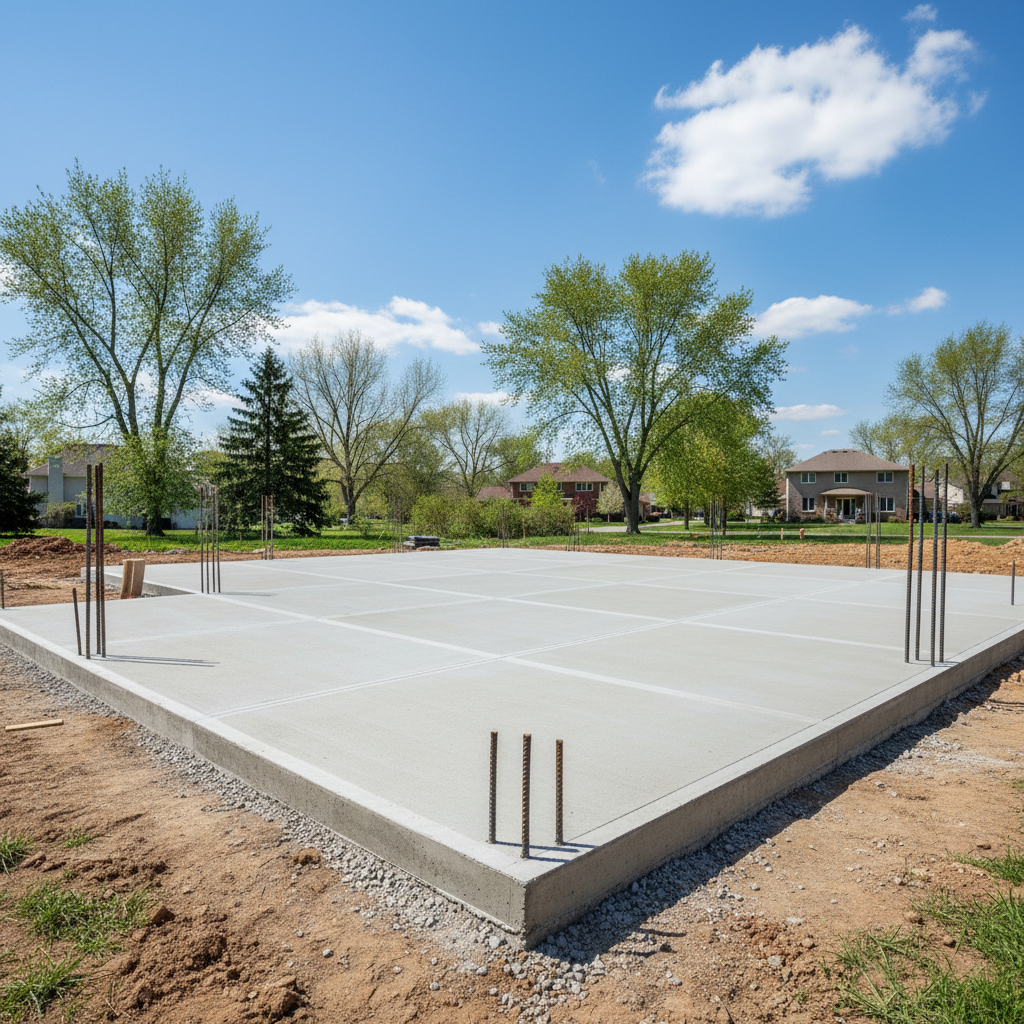
Thinking about a new foundation? Maybe for an addition, a garage, or even just a shed? Sounds like a great plan. But hold on a minute. Before you jump in, let's chat about some of the biggest traps I see homeowners right here in Arlington Heights fall into. Trust me, these mistakes can really hit your wallet, cause huge headaches, and leave you wishing you'd done things differently.
Mistake #1: Not Understanding Soil Conditions
This one's a big deal, especially in our area. Arlington Heights has all sorts of soil types, from sandy loams to much heavier clays. If you're building in an older spot, say Scarsdale, or maybe close to the flood plain, you might be dealing with soil that's been moved around or just doesn't drain well. If your contractor doesn't really check out the soil, you're quite literally building on shaky ground.
I've actually seen foundations crack way too early because the soil wasn't packed down right, or because nobody thought about how much our freeze-thaw cycles mess with water in the ground. You need a contractor who knows to look for these kinds of things, someone who might even suggest a soil test for bigger jobs. Don't just assume the dirt's good to go, okay?
Mistake #2: Going with the Lowest Bid Without Due Diligence
Look, everyone wants to save a buck. I totally get that. But a foundation? That's not the place to cut corners. If one bid comes in way lower than all the others, there's usually a reason. Maybe they're skipping important steps, using cheaper materials, or they're just not properly insured.
Here's what you really need to do:
- Check references: Call up past clients. Ask them about their whole experience, not just how the finished product looks.
- Verify insurance and licensing: Any legitimate contractor won't have a problem showing you proof of liability insurance and worker's comp. If they hem and haw, walk away. You absolutely don't want to be responsible if someone gets hurt on your property.
- Get a detailed quote: The quote should break down absolutely everything – excavation, materials (what kind of concrete, rebar, vapor barrier), labor, permits, and even cleanup. If it's just one big number, consider that a major warning sign.
A solid foundation is an investment, plain and simple. You want it done correctly the first time, even if that means spending a little more upfront. It'll save you a ton on repairs later on.
Mistake #3: Skipping Permits and Inspections
Yeah, I know. Permits are a pain. They eat up time, and they cost money. But trying to get around the Village of Arlington Heights' permitting process? That's just asking for trouble. Building codes exist for a reason – they ensure safety and structural integrity. A permit guarantees that a qualified official will inspect your project at various stages.
If you build without a permit, you could end up with fines, be forced to tear down your work, or have real headaches selling your home down the line. A good contractor, like us at Oasis Concrete, will handle the permitting process for you, making sure everything is up to code and inspected correctly.
Mistake #4: Not Discussing Drainage Plans
This one really ties into soil conditions. A foundation isn't just about pouring concrete; it's about managing water around your house. If your contractor isn't talking about proper grading, downspout extensions, or maybe even a perimeter drain, you're setting yourself up for water problems.
Here in Arlington Heights, we get plenty of rain and snowmelt. Water sitting around your foundation can lead to hydrostatic pressure, cracks, and eventually, basement leaks. Make sure your contractor has a clear plan for moving water away from your new foundation.
Mistake #5: Not Having a Clear Contract
This might seem obvious, but you'd be surprised how many folks just rely on a handshake or a quick email. Your contract should spell out every single detail: the project's scope, the timeline, how payments will be made, what materials will be used, warranty info, and what happens if unexpected issues pop up. Get absolutely everything in writing.
Don't be shy about asking questions until you understand every line item. A good contractor actually wants you to be informed and comfortable with the agreement. It protects both of you, doesn't it?
Building a new foundation is a huge undertaking. It's literally the base of your entire project. By steering clear of these common mistakes, you'll save yourself a lot of stress, money, and make sure your investment lasts for decades.