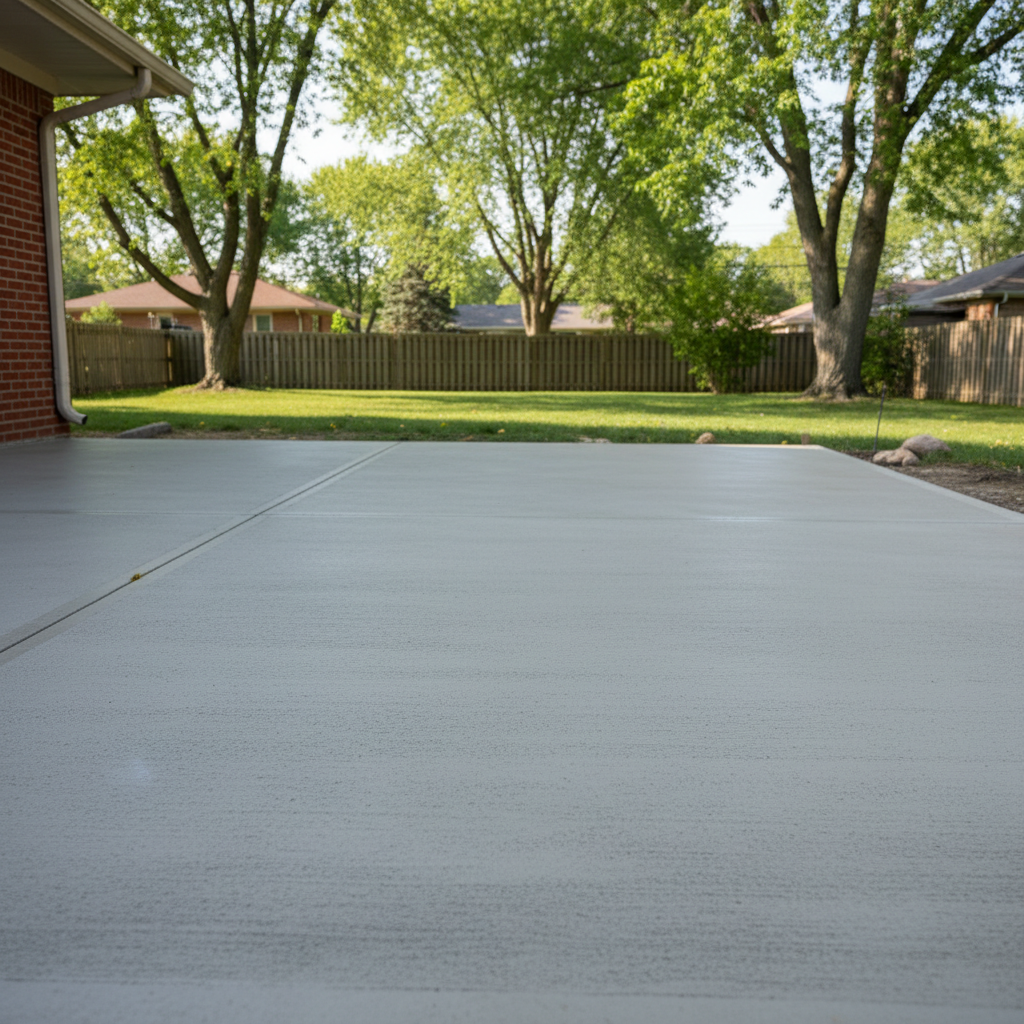
Do I need a permit for new concrete installation in Arlington Heights?
Yep, you probably do. This is one of the most common questions we get, and it's a really important one. For most outdoor concrete work — things like a new driveway, a patio, or even a bigger walkway — the Village of Arlington Heights asks for a permit. They just want to make sure the job meets code, especially when it comes to drainage and property lines. Trust me, you don't want to be halfway through a project only to have a village inspector shut you down because you skipped the paperwork. That's a headache you can easily sidestep. We always take care of the permit process for our clients, but if you're planning to do it yourself, please check the village's building department website or just give them a call before you even think about pouring anything.
How long does concrete installation actually take?
That's a tough one to give a single answer to, honestly, because it really depends on the job's size and how complicated it is. A small patio might only need a day or two for prep and the pour itself, plus the time it takes to cure. A full driveway replacement, especially if we're pulling up old concrete and doing a lot of grading, could easily be a week or more of active work. And that's just the physical labor. You've also got to think about scheduling, getting permits approved, and, of course, the weather. We always give you a clear timeline upfront, but generally, expect anywhere from a few days to a week for most residential projects, not counting the cure time.
What's the deal with rebar and wire mesh? Do I really need both?
This is where a lot of homeowners get mixed up, and frankly, some contractors cut corners. For most residential concrete slabs – driveways, patios, garage floors – you absolutely need reinforcement. Think of it like the skeleton of your concrete. Wire mesh helps control those tiny cracks that can pop up as the concrete shrinks while drying. Rebar, which are those thicker steel bars, adds structural strength, especially for heavier loads or longer spans. For example, on a driveway here in Arlington Heights, with our brutal winters and heavy vehicle traffic, I'm almost always going to recommend both. The rebar makes it strong against bending and heavy weight, while the mesh helps hold everything together and stops surface cracks from spreading. Skimping here? Your concrete just won't last as long, plain and simple.
How long before I can walk or drive on my new concrete?
Patience is key here, and it's probably the hardest part for homeowners to deal with. You can usually walk on new concrete after about 24-48 hours, but you need to be gentle. For vehicle traffic, like parking your car on a new driveway, you're looking at a minimum of 7 days. Ideally, we actually recommend waiting 28 days for the concrete to hit its full design strength. I know, a month feels like forever, but that complete curing process is what makes your concrete strong and truly durable. Rushing it can lead to cracks and damage that could have been totally avoided. We'll always give you specific instructions for your project, but please, don't push it.
What kind of maintenance does new concrete need?
Once it's fully cured, concrete is pretty low maintenance, which is why everyone loves it. The biggest thing you can do is seal it. We usually suggest sealing new concrete within the first year, and then every 2-5 years after that. It depends on the sealer and how much wear and tear it gets. Sealing protects against stains, stops moisture from getting in (which is a big deal with our freeze-thaw cycles here in Chicagoland, right?), and helps with general wear. Beyond that, just keep it clean. Sweep off dirt and debris, and if it gets really grimy, give it a gentle power wash. Just avoid de-icing salts that have ammonium nitrate or ammonium sulfate; those can really mess up the concrete surface. Stick to sand or calcium chloride products if you need to melt ice.
How do you handle drainage and water runoff with new concrete?
This is huge, especially in places like Arlington Heights where we sometimes deal with clay soils that don't drain well. Proper grading and drainage planning are absolutely critical before we even start thinking about pouring. We always make sure the new concrete slopes away from your home's foundation at the right angle to send water towards good drainage spots – whether that's a yard, a catch basin, or the street. We'll check out your property's current drainage and suggest what's best. Sometimes that means adding a small swale or a channel drain. You definitely don't want water sitting on your new patio or, even worse, running back towards your house. Good drainage isn't optional for a concrete job that lasts.
Look, getting new concrete is a big investment in your home. You want it done right, and you want it to last. That's exactly what we focus on at Oasis Concrete. We've been doing this for years, and we've seen it all. If you've got more questions, or you're ready to talk about a project, just give us a call.