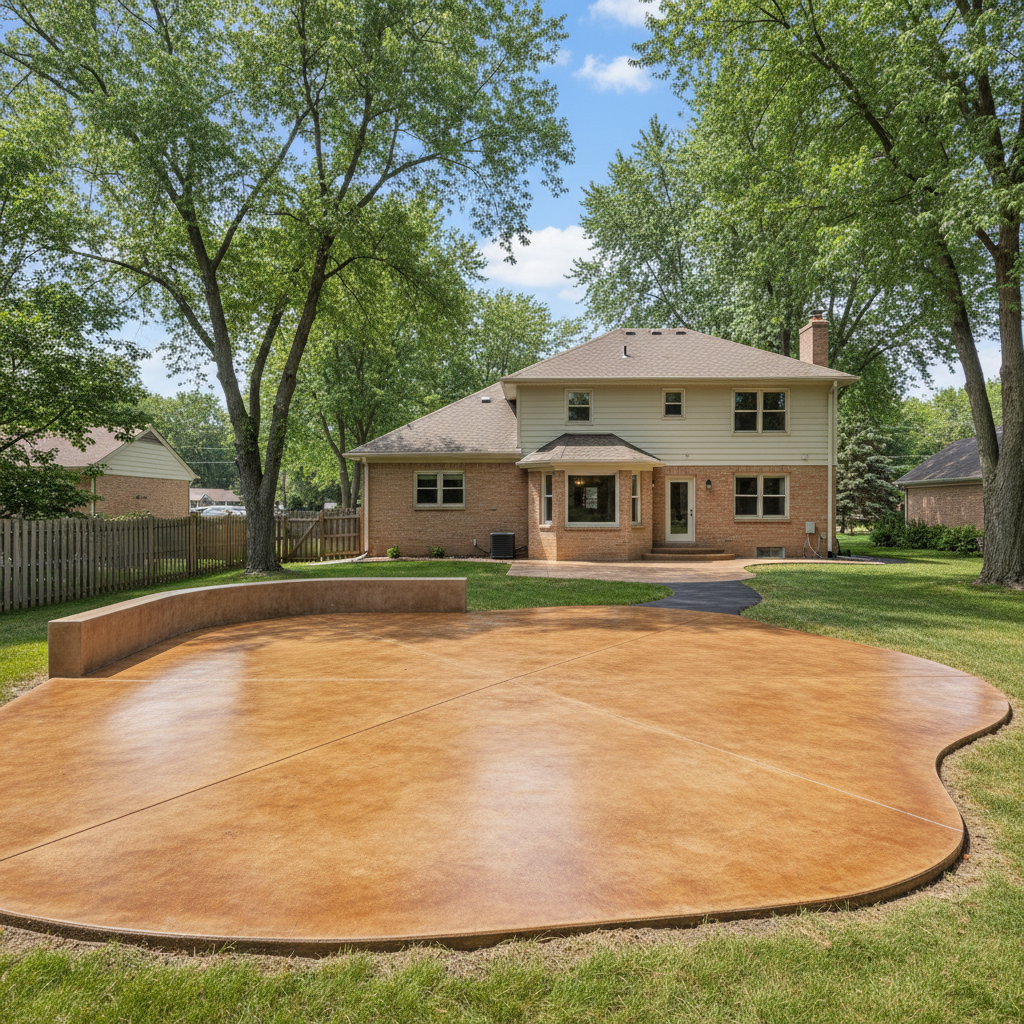
Alright, let's talk about hiring a concrete contractor. It's not always as straightforward as it seems, and I've seen plenty of folks around Arlington Heights get stuck with shoddy work or unexpected headaches because they didn't know what to look for. I'm not here to badmouth anyone, but I am here to tell you how to protect yourself and make sure you get a quality job done right the first time.
Questions You Absolutely Need to Ask
When you've got a potential contractor standing in front of you, don't be shy. This is your house, your money, and your peace of mind. Here are the questions I'd be asking:
Are you licensed and insured for concrete work in Illinois? This is non-negotiable. If they can't show you current proof of both, walk away. Insurance protects you if someone gets hurt on your property or if there's damage during the job. A license means they're legitimate.
Can you give me references from recent jobs, preferably in or near Arlington Heights? A good contractor will have happy customers. And seeing their work locally gives you a better idea of what to expect, plus you can drive by and check it out.
What's your typical crew size and who will be supervising the work? You want to know who's going to be on your property and that there's a clear chain of command. A small, experienced crew is often better than a large, disorganized one, wouldn't you agree?
How do you prepare the site? What about drainage and grading? Especially around here, with our clay soils and sometimes heavy spring rains, proper site prep and drainage are crucial. If they just talk about pouring concrete without mentioning proper base material or how water will flow away from your house, that's a problem.
What kind of concrete mix do you use, and what's the PSI rating? This might sound technical, but it matters. You want a durable mix appropriate for our Illinois weather, which sees plenty of freeze-thaw cycles. A good contractor will know this offhand.
What's your warranty on the work? A solid warranty shows they stand behind their craftsmanship. Get it in writing.
What to Look For in a Quote
Don't just compare the bottom line. A cheap quote often means corners are being cut. A good quote should be detailed and transparent.
Breakdown of Costs: It shouldn't just be one lump sum. You want to see line items for things like excavation, base material, concrete (by cubic yard), labor, reinforcement (rebar or mesh), finishing, and sealing. This helps you understand what you're paying for.
Scope of Work: Does it clearly define exactly what they're doing? The dimensions of the slab, the thickness, the type of finish, and any specific details like control joints or decorative elements. If it's vague, you're asking for trouble later.
Materials Specified: What kind of concrete mix? What type of reinforcement? What sealer will they use? Specifics here are key.
Payment Schedule: A reputable contractor won't ask for 50% or more upfront. A common schedule is a deposit (maybe 10-20%), a progress payment, and then the final payment upon satisfactory completion. Never pay in full until you're happy with the job.
Start and Completion Dates: While weather can always affect concrete work, they should give you a reasonable timeframe. Oasis Concrete always tries to be upfront about scheduling.
Red Flags You Can't Ignore
Trust your gut. If something feels off, it probably is.
Door-to-Door Solicitations: Be very wary of anyone knocking on your door offering a deal. Legitimate contractors typically don't operate this way.
Cash-Only Deals: This is a huge red flag. It often means they're trying to avoid taxes, and if they're willing to cut corners there, where else are they cutting corners?
No Contract or a Very Basic One: Every job, big or small, needs a detailed contract. If they're hesitant to put everything in writing, run.
High-Pressure Sales Tactics: